Lizard Redwork: A Craft Fair Embroidery Review
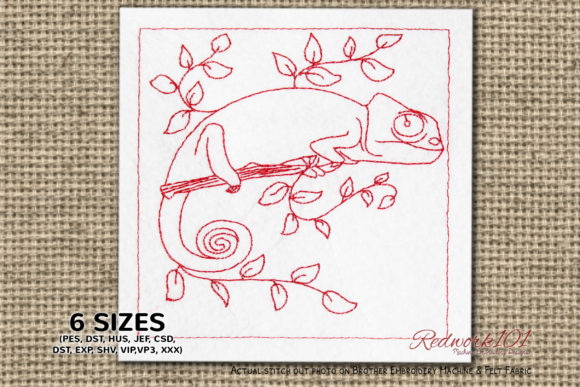
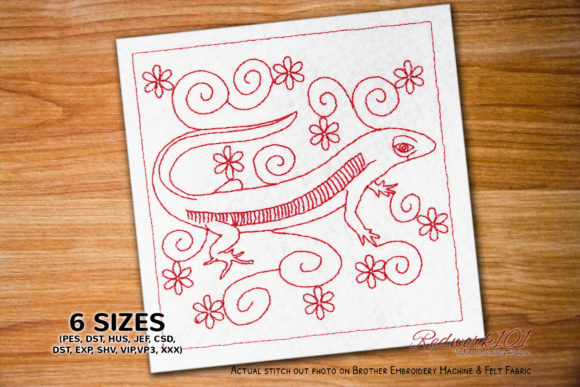
When I first opened the Lizard Redwork embroidery file, I was immediately struck by its clean, intentional simplicity. As someone who spends weekends behind a craft fair booth and weekdays digitizing and testing designs, I have learned to spot a design that will stop a browser mid-step. This one has that quality. The redwork style gives it a folk-art charm that feels both rustic and refined. It is not loud or cartoonish. It is subtle, confident, and remarkably versatile. For any Etsy seller or small shop product creator looking to expand their handmade product lineup, Lizard Redwork deserves a close look.
First Impressions of the Lizard Redwork Design
The first thing I noticed is the mood. Redwork embroidery carries a heritage feel—think farmhouse kitchens, vintage linens, and handmade gifts with a story. Lizard Redwork fits that aesthetic beautifully. The single-color approach keeps the design minimal, but the lizard motif adds a touch of whimsy and nature. It is not overly cute, nor is it too serious. It lands right in the sweet spot that appeals to customers who appreciate machine embroidery design with personality. The optional Box Stitch mentioned in the description is a smart addition. It gives you the choice to frame the lizard or let it stand alone. That flexibility is gold when you are creating multiple craft fair product variations from one embroidery file.
Best Products for Lizard Redwork at Your Booth
I always test a new design on several blanks before committing to a production run. Lizard Redwork performed well across a range of items that matter most to handmade shop owners. Here is where I saw the strongest results:
- Tote bag design: The lizard sits nicely on a canvas tote. It draws the eye without overwhelming the bag. I stitched it on a natural cotton tote and the red thread popped beautifully. Customers at my booth picked it up immediately.
- Apron embroidery: On a apron, this design feels right at home. It adds a decorative touch without looking busy. Great for gardening or kitchen aprons.
- Tea towel embroidery: This is where redwork truly shines. The lizard on a linen tea towel feels classic. I can see this being a quick seller in a craft fair booth display.
- Embroidered patch: The design is compact enough to work as a patch. Stitch it on felt or twill and sell it as a sew-on or iron-on. Patches are lightweight, easy to display, and perfect for impulse buys.
- Pillow covers and pouches: Small home decor items with Lizard Redwork add a handcrafted touch. I stitched it on a zippered pouch and it looked clean and intentional.
For commercial embroidery production, this design is a strong candidate. It is not overly large, so you can fit multiple repeats in a hoop run. That matters when you are batch producing for a weekend market.
Practical Selling Points for Craft Fair Entrepreneurs
What makes Lizard Redwork attractive from a selling standpoint is its immediate readability. A customer walking past your booth can see the lizard, understand it, and feel a connection to it within a second. That is critical for craft fair product success. The design works as both a small accent and a focal element. On a tea towel embroidery piece, it becomes the center of attention. On a tote bag design, it is a tasteful detail. This dual nature gives you flexibility in pricing and display.
For printable mockup creation, Lizard Redwork photographs well. The single-color stitchout is easy to capture in good light. I recommend stitching one sample on a light background and photographing it from a slight angle to show the texture of the stitches. That image will serve you well in Etsy seller listings and social media posts. The digital embroidery file itself is straightforward to work with. No complex color changes or thread breaks slow you down. That means faster production and less thread waste.
Careful-Use Notes for Batch Production
No design review is honest without pointing out where you need to be careful. Lizard Redwork is not a dense design, but there are a few areas that require attention:
- Stitch density: The redwork style uses line stitches rather than heavy fills. That is good for most fabrics. However, if the design has any tight curves or small details, check the stitch density on your embroidery file before stitching. If it is too dense, it may cause puckering on lightweight fabrics.
- Hoop size: Confirm the hoop size required for the design at the size you want. I always test at the default size first, then scale up or down in my software. Scaling too small can cause the lizard to lose detail, especially in the tail and legs.
- Fabric texture: On smooth fabrics like cotton or linen, the stitches sit cleanly. On textured fabrics like thick towels or fleece, the redwork lines may sink into the nap. Use a stabilizer that holds the stitches on top of the fabric. A tear-away or wash-away stabilizer works well for most applications.
- Dark fabric: Redwork is traditionally done on light fabric. If you stitch on dark fabric, the red thread may not stand out as strongly. For dark backgrounds, consider using a lighter thread color or a bright red that contrasts well.
- Curved cap surfaces: If you plan to stitch Lizard Redwork on caps, test the placement first. The design should sit in the center front or slightly off-center for a modern look. Avoid placing it too close to the brim where the curve is sharpest.
These notes are not meant to discourage you. They are simply the kind of practical checks that save you time and materials when you are producing for a handmade product line.
Visual Appeal and Customer Engagement
I have noticed that designs with a natural theme tend to draw a specific type of customer—people who love the outdoors, gardening, or unique home decor. Lizard Redwork appeals to that demographic. It is not a generic flower or butterfly. It is a lizard, which is more unusual and therefore more memorable. In a booth full of floral and monogram designs, a lizard motif stands out. Customers who stop to look at it often stay to talk about it. That engagement often leads to a sale, not just for the lizard item but for other products as well.
The redwork style also communicates a handmade quality that customers associate with care and tradition. When they see the red stitching on a linen towel or a canvas bag, they perceive value. That perception allows you to price your finished product at a level that reflects the craftsmanship. For handmade shop owners, that is a significant advantage.
Embroidery Designer Notes Before You Stitch
Before you load Lizard Redwork into your machine and start production, I recommend a short checklist. These are the steps I take with every new machine embroidery design before I commit to a booth run:
- Test on scrap fabric: Always stitch a sample on fabric similar to what you plan to use. Check the thread colors against the fabric. Redwork looks best with a rich, saturated red. Test a few shades to see which one pops.
- Check thread contrast: If the red thread is too similar to the fabric color, the design will disappear. Contrast is your friend. Light fabric with a medium to dark red works best.
- Review spacing: Look at the spacing between the stitch lines. If any areas are too close together, the fabric may not support the detail. Adjust the design size if needed.
- Confirm hoop size: Make sure the design fits your hoop at the size you intend to stitch. If you are stitching multiple items in one hoop, check the layout carefully.
- Inspect stitch density: Open the embroidery file in your software and review the density. If it is too high for your fabric, reduce the density or increase the size slightly.
- Use the right stabilizer: For most applications, a medium-weight tear-away stabilizer works well. For stretchy or delicate fabrics, use a cut-away or wash-away stabilizer.
- Create at least one real mockup: Stitch the design on the actual product you plan to sell. Photograph it, handle it, and see how it feels. A printable mockup is useful for listings, but a real sample tells you what the customer will experience.
- Compare fabric colors: Test the design on a few different fabric colors. Natural, cream, soft gray, and light blue all work well with redwork. See which one sells best in your market.
- Confirm commercial licensing: Before you start selling any finished product featuring Lizard Redwork, check the license terms for the digital embroidery file. Some designers allow commercial use, others require a separate license. Know the rules before you stitch for sale.
Following these steps ensures that your craft fair product looks professional and consistent. It also saves you from discovering a problem after you have already stitched a dozen items.
Final Thoughts on Lizard Redwork for Your Booth
Lizard Redwork is a design that rewards careful preparation. It is not the flashiest motif in the catalog, but it has a quiet confidence that resonates with customers who appreciate subtle, handcrafted beauty. For embroidery business owners and creative entrepreneurs, it offers a low-risk, high-reward addition to your product line. The redwork style is timeless, the lizard motif is distinctive, and the production requirements are straightforward. If you are looking for a machine embroidery design that will stand out in a craft fair product display without complicating your workflow, Lizard Redwork is worth stitching into your lineup.