DAD Tie: A Craft Fair Designer’s Honest Review
As an embroidery designer who has prepped for countless weekend craft fairs, I know the difference between a design that fills a hoop and a design that actually sells. When I first opened the DAD Tie embroidery file, I saw immediate potential for Father’s Day markets, but also for year-round handmade gift appeal. Let me walk you through what this machine embroidery design offers, where it performs best, and what you need to check before you stitch it onto your next batch of products.
First Impressions: What DAD Tie Brings to the Booth
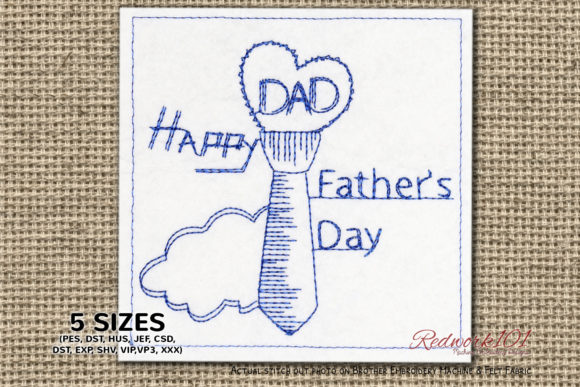
DAD Tie reads as a clean, bold, and sentimental design. It is not overly ornate or rustic, nor is it purely modern. It strikes a balance that feels both classic and approachable. The word “DAD” is the clear hero, and the tie motif gives it a playful, masculine touch without being too cartoonish. This makes it suitable for a wide range of fabric types, from crisp cotton to textured linen. The overall mood is warm, giftable, and easy to understand at a glance. That is exactly what you want in a craft fair product, because customers decide in seconds whether something speaks to them.
From a designer’s perspective, the lettering and tie shape likely allow for clean stitching at moderate sizes. The description says it will look great on any fabric, which suggests the stitch density is balanced and the design is not overly intricate. That is a strong starting point for batch production.
Where DAD Tie Shines: Product by Product
I have tested similar designs across many product categories, and DAD Tie fits naturally into several bestsellers for handmade markets. Here is how I see it performing on different items:
Tote Bag Design
On a sturdy cotton tote or canvas market bag, DAD Tie becomes a focal point. It is large enough to read from across a booth, and the tie motif adds a touch of personality. Tote bags are a staple for Etsy sellers and craft fair vendors, and this design could easily become a repeat seller. I would recommend hooping the bag carefully and using a cutaway stabilizer to keep the stitches crisp on heavier fabric.
Apron Embroidery
Aprons are a natural fit for Father’s Day gifts. DAD Tie on a denim or cotton apron looks like a thoughtful, handmade present. The tie shape works well on the chest or bib area. Because aprons are often given as gifts, this design adds perceived value without requiring a large hoop size. Just watch the fabric texture—aprons with thick seams may need extra care during hooping.
Tea Towel Embroidery
Tea towels are one of my favorite craft fair products because they are low cost to produce and sell quickly. DAD Tie on a linen or cotton tea towel gives a kitchen-friendly look that is not too feminine. It works as a small accent near the hem or centered for a bold statement. Tea towels also photograph well for online listings, making them a great option for Etsy sellers who want to show a finished product.
Embroidered Patch
Patches are a smart add-on for any booth. DAD Tie as an embroidered patch can be sewn onto jackets, backpacks, or caps. The tie motif is recognizable and the word “DAD” is short enough to fit into a small patch size. This is a low-cost, high-margin item that customers love to grab as an impulse buy. Just check the stitch density—if the design is too dense, the patch may feel stiff. Consider using a soft cutaway stabilizer and trimming closely.
Caps and Curved Surfaces
Hooping a cap takes practice, but DAD Tie could work well on a structured cap front if the design is not too tall. The tie shape might align nicely with the cap’s curve. However, small lettering can distort on curved surfaces, so test on a scrap cap first. If the design has fine details, you may need to enlarge it slightly to maintain readability.
Fabric Pouches and Small Gifts
Small zip pouches, pencil cases, or gift bags are perfect for Father’s Day. DAD Tie on a small pouch feels premium and intentional. The design does not need to be large to make an impact. For small products, a hoop size of 4x4 inches may be sufficient, but verify the embroidery file dimensions before you start cutting fabric.
Pillow Covers
Pillow covers with DAD Tie embroidery make great home decor gifts. They can be displayed on a couch or chair as a subtle nod to Dad. The design’s clean lines work well on a solid-color pillow cover, and the tie motif adds a decorative touch without overwhelming the fabric. Use a tear-away stabilizer for medium-weight cotton or linen.
Selling with DAD Tie: Practical Production Insights
One of the first things I consider when reviewing a design for a craft fair is how easy it is to understand at a glance. DAD Tie passes that test. The word “DAD” is immediately recognizable, and the tie shape reinforces the theme. Customers walking past your booth will catch the meaning in seconds, which is crucial for engagement.
This design works as both a small accent and a large focal design. On a tea towel, it can be a subtle detail near the edge. On a tote bag, it can be the main attraction. That flexibility is valuable for a small shop product because you can use the same embroidery file across multiple items without changing the look.
When it comes to photography for online listings, DAD Tie is photogenic. The word “DAD” is bold enough to read in thumbnail images, and the tie motif adds a visual hook. I recommend creating a printable mockup showing the design on a tote bag or apron to use in your Etsy shop. Good design assets, including mockups, help buyers visualize the finished product. If you are a digital seller, offering a printable mockup with your embroidery file can increase customer confidence.
For batch production, this design feels repeatable. Because it is not overly dense or complex, you can stitch multiple units in a session without frequent thread breaks or stabilizer adjustments. That is a big plus for commercial embroidery or any maker who produces for multiple markets.
Careful-Use Notes Every Embroidery Designer Should Consider
No design is perfect for every scenario. Here are the specific points I want you to check before you commit to stitching DAD Tie on your products:
- Dense stitch areas: If the tie motif has a lot of fill stitching, it may cause puckering on lightweight fabrics. Test on a scrap piece first. If the fabric is thin, use a cutaway stabilizer to support the stitches.
- Tiny details: Small elements like tie stripes or fine lettering can lose clarity at smaller sizes. If you plan to stitch this design on a cap or patch, check that the details remain crisp. Enlarge the design if needed.
- Small lettering: The word “DAD” is short, but if the lettering is too small, it may become illegible on textured fabrics like linen or thick towels. For tea towel embroidery, I suggest a minimum letter height of 0.3 inches to ensure readability.
- Thick fabric: On heavy canvas or denim, the needle may struggle to penetrate if the design is dense. Use a sharp needle and a strong stabilizer. Consider a larger hoop size to keep the fabric flat.
- Textured towels: Terry cloth or waffle towels can distort stitches. The tie motif may lose its shape if the fabric is too stretchy or textured. Test on a towel scrap before stitching a full batch.
- Curved cap surfaces: Caps require a cap hoop and careful alignment. If the design has a wide tie shape, it may not fit evenly on a curved cap front. Check the dimensions and adjust the placement.
- Dark fabric: If you stitch on dark fabric, ensure the thread colors contrast well. The description does not specify thread colors, so you will need to choose your own palette. A light or bright thread on dark fabric will make the design pop. Also, use a white or light bobbin thread to avoid show-through.
- Smaller sizes: If you resize the design to fit a small patch or pouch, verify that the stitch density does not become too tight. Overly dense stitching at small sizes can cause fabric distortion.
Visual Appeal and Customer Engagement at the Craft Fair
At a craft fair, your booth display needs to stop people in their tracks. DAD Tie has a friendly, giftable look that appeals to shoppers looking for Father’s Day presents. The tie motif is a clever visual cue that communicates “this is for Dad” without needing a sign. That kind of instant recognition is gold for a handmade product.
When customers pick up a tote bag or tea towel with DAD Tie, they are likely to smile and think of their father. The design is not overly sentimental, which makes it easy to gift even for people who are not sentimental. It feels like a quality, handmade item rather than a mass-produced novelty.
From a brand consistency standpoint, this design fits well into a cohesive booth. If you maintain a clean, modern style, DAD Tie will align with that. If your booth is more rustic or farmhouse, the design may still work if stitched on natural fabrics with neutral thread colors. The versatility is a strength.
Buyer engagement often starts with a simple question: “Is that for Father’s Day?” DAD Tie invites that conversation. You can then talk about the materials, the embroidery process, and the care instructions. That personal connection is what drives sales at a handmade market.
Embroidery Designer’s Checklist Before You Sew
Before you add DAD Tie to your production queue, here is a practical checklist based on my experience reviewing machine embroidery designs for craft fair products:
- Test on scrap fabric: Always stitch a sample on the exact fabric you plan to use. This reveals any issues with stitch density, thread tension, or fabric distortion.
- Check thread contrast: Choose thread colors that stand out against your fabric. The design may look different on light versus dark backgrounds. Test at least two color combinations.
- Review spacing: Ensure the word “DAD” and the tie motif are well spaced. If any elements are too close, they may blur together at small sizes.
- Confirm hoop size: The description does not specify a hoop size, so measure the design dimensions before selecting a hoop. A 4x4 inch hoop may work for small items, but a 5x7 inch hoop may be needed for larger products like tote bags.
- Inspect stitch density: If the design has dense fill areas, consider using a lighter stabilizer or reducing the density slightly in your software. Overly dense stitching can cause fabric puckering.
- Use the right stabilizer: For woven fabrics, a tear-away stabilizer is usually sufficient. For knits or stretchy fabrics, use a cutaway stabilizer. For towels, use a water-soluble topper to prevent stitches from sinking into the nap.
- Create at least one real mockup: Stitch the design onto a finished product and photograph it. This real mockup is invaluable for your Etsy listings, social media, and craft fair display. Customers want to see the actual product, not just a digital preview.
- Compare fabric colors: The same design can look completely different on navy, cream, charcoal, or red. Consider offering the design in multiple colorways to appeal to different tastes.
- Confirm commercial licensing: Before you sell finished products featuring DAD Tie, verify that your embroidery file includes commercial use rights. This is a crucial step for any small shop product or Etsy seller. If the license is not clear, contact the seller.
DAD Tie is a strong contender for any embroidery business focused on Father’s Day gifts or year-round handmade products. It has the visual clarity, product versatility, and sentimental appeal that craft fair shoppers love. With proper testing and attention to fabric and stabilizer choices, this machine embroidery design can become a reliable addition to your booth. Whether you are stitching tote bags, tea towels, aprons, or patches, DAD Tie delivers a finished product that feels both professional and personal. That is exactly what keeps customers coming back to your table.