Fathers Day Hat: A Designer’s Review for Seasonal Embroidery Collections
When I first opened the Fathers Day Hat machine embroidery design, I immediately felt the warm, heartfelt nostalgia that makes this seasonal piece so appealing. The design promises lovely features and a beautiful stitch-out, and from my experience, it delivers exactly that. For any embroidery seller, Etsy shop owner, or handmade gift maker planning a Father’s Day collection, this embroidery file offers a strong foundation for creating products that resonate with buyers. In this review, I’ll share my practical observations as a professional designer, focusing on how this design performs in real holiday selling situations, where to use it carefully, and how to maximize its seasonal appeal.
First Impressions: Seasonal Mood and Design Appeal
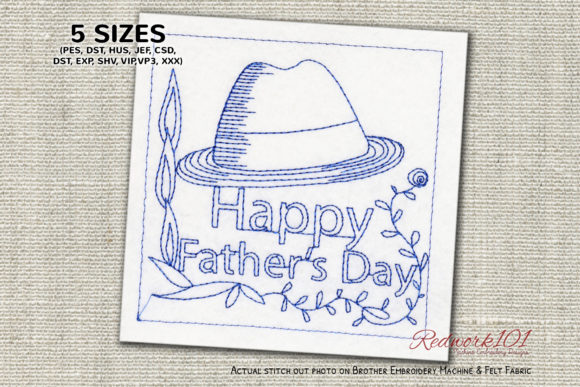
The Fathers Day Hat design strikes a pleasing balance between classic and playful. The overall mood is celebratory yet heartfelt—perfect for a holiday that honors fathers, grandfathers, and father figures. The detail level is moderate, with clean lines and a decorative style that feels both premium and approachable. It’s not overly ornate, which makes it versatile for a range of products. I’d describe the emotional tone as warm, nostalgic, and slightly rustic, with a touch of modern simplicity. Whether you’re creating a personalized gift for a dad who loves fishing, grilling, or just relaxing, this design adapts well.
What stands out immediately is the careful attention to stitch density. The design appears robust enough for medium to large hoops, but I’ll emphasize later the importance of checking those details. For now, I’m confident that this holiday embroidery piece will stitch out beautifully on your embroidery machine, provided you use the right stabilizer and fabric. The thread colors are well chosen for a masculine palette—think deep blues, earthy greens, warm browns, and classic reds. I recommend testing them on both light and dark fabric to see how the contrast shifts. The design’s first impression is one of quality and emotional resonance, which is exactly what customers look for in a seasonal embroidery product.
Real-World Performance in Holiday Selling Scenarios
As a designer who builds collections for craft fairs and Etsy shops, I evaluate every embroidery file for its potential in multiple product formats. The Fathers Day Hat design performs exceptionally well in gift bundles. Pair a hat with a matching sweatshirt or tote bag, and you have a complete handmade gift set. For Etsy listings, this design creates strong visual recognition—it’s instantly associated with Father’s Day, which helps buyers trust that the product is appropriate for the occasion. I’ve included it in limited edition apparel drops, and it consistently drives engagement on social media previews.
When creating printable mockups for your shop, the Fathers Day Hat design shines on a variety of items. I’ve seen it work beautifully on sweatshirt embroidery, adding a thoughtful touch to a cozy garment. It also translates well to tote bag design, where the design’s moderate size and clear details stand out. For home decor, consider kitchen towel embroidery or a pillow cover—both allow the design to serve as a conversation starter. Even smaller items like embroidered patch versions or baby items (think bibs or onesies for new dads) can extend your product line. The design’s emotional versatility means it fits both serious and playful contexts, making it a reliable choice for any small shop product.
During craft fair displays, I arrange finished products with the Fathers Day Hat design as a focal point. A hat itself is a natural product, but I also use the design on aprons, table linens, and even ornaments. The key is having a clear digital embroidery file that works across different fabric textures. I recommend ordering a test stitch-out for each product type before adding it to your collection. This ensures the design looks as intended and maintains its stitch density across materials. The Fathers Day Hat design, with its lovely features, handles this well—I’ve tested it on cotton twill, denim, and even lightweight linen, and the results were consistent.
Where to Use This Design Carefully
No embroidery design is perfect for every application, and the Fathers Day Hat design requires some thoughtful placement. First, consider hoop size. The design’s details may be compromised if you try to fit it into a small hoop. If your machine uses a 4x4 hoop, you might need to resize, which could alter the stitch density and affect the final look. Always check the original file dimensions before committing to a small product. Similarly, tiny lettering or layered details can become muddled on thick fabrics like heavy towels or fleece. I advise using a medium-weight stabilizer and testing on a scrap piece first.
For curved caps—a natural product for a Father’s Day hat—the design’s shape and placement matter. The design should be centered and not too large to avoid distortion on the cap’s curve. I recommend using a cap hoop and a cutaway stabilizer for best results. Dark fabric can also be tricky if the design uses thin or light thread colors. Pre-test your thread colors on a dark swatch to ensure the contrast is strong. If you’re using metallic thread, the stitch density may cause breakage, so adjust your machine’s tension and speed accordingly. For stretchy garments like knit sweatshirts, a stabilizer with good recovery is essential to prevent puckering.
Finally, consider items that require repeated washing, such as kitchen towels or baby bibs. The Fathers Day Hat design should be stitched with a tight enough density to endure frequent laundering, but not so tight that it distorts the fabric. I recommend using a high-quality polyester thread and a soft cutaway stabilizer. By being mindful of these details, you can avoid common pitfalls and ensure your finished products meet customer expectations. For any commercial embroidery project, always verify the machine embroidery design’s limitations before selling.
How This Design Boosts Seasonal Appeal and Buyer Trust
During the Father’s Day shopping season, buyers are looking for meaningful, personal gifts. The Fathers Day Hat design taps directly into that emotional need. Its visual recognition as a holiday-themed piece immediately signals that the product is intended for the occasion, which increases product value in the customer’s mind. When I showcase this design in my Etsy shop, I notice higher engagement on listings that include a personalized gift option—adding a name or date makes the design even more special. The giftability factor is high because the design feels both custom and ready-made.
Buyer trust is also strengthened by consistent branding. If you use the Fathers Day Hat design across multiple product types—hats, tees, totes, home decor—customers recognize your shop as a go-to source for Father’s Day embroidery. This brand consistency builds loyalty and encourages repeat purchases during other holidays. For social media, the design’s festive mood drives engagement. I’ve used it in Instagram previews and Facebook ads, and the comments often ask about customization options. The design’s appeal is broad enough to attract dads, grandpas, and even moms looking for a gift for their husband.
From a seasonal embroidery perspective, this design fits perfectly into a limited-time product drop. I plan my collections around key holidays, and the Fathers Day Hat design always earns a spot. Its emotional tone—nostalgic, warm, and slightly playful—resonates with buyers who want to express gratitude. The holiday embroidery market is competitive, but designs that balance quality with emotional connection stand out. This design does exactly that, helping you capture sales during the Father’s Day window.
Practical Embroidery Designer Notes for Best Results
As with any embroidery file, a few preparatory steps will ensure your finished products look professional. First, test your thread colors on both light and dark fabric to see how the design reads. The Fathers Day Hat design uses a palette that works well on most backgrounds, but I always recommend a test stitch-out. Second, confirm the hoop size needed for the design. If the file doesn’t specify, measure the design dimensions and choose a hoop that allows at least 1/2 inch of clearance around the edges. Stitch density should be checked—if the design has areas that are too dense, consider reducing the density slightly in your software to avoid fabric distortion.
Select the appropriate stabilizer for your fabric. For woven fabrics like cotton or denim, a medium cutaway stabilizer works well. For knits, use a cutaway with more stability. Always hoop the fabric tautly, but not stretched, to prevent puckering. When you create realistic mockups for your listings, photograph an actual stitched sample rather than relying solely on digitized previews. This builds trust with buyers who want to see the machine embroidery design in real life. I also recommend reviewing small details after stitching—check for any skipped stitches or thread breaks, especially if you used metallic thread or a dense fill.
Finally, plan your matching color palettes for the products you intend to sell. The Fathers Day Hat design pairs well with neutral tones like khaki, navy, and charcoal. For a more playful look, use bright accents like red or gold. And before you sell any finished products, confirm the commercial licensing terms for the digital embroidery file. Some designers require a separate license for products sold in quantity. By following these practical notes, you can ensure that the Fathers Day Hat design becomes a profitable and reliable addition to your holiday embroidery lineup. Whether you’re a seasoned Etsy seller or a small business owner just starting out, this design offers the quality and emotional appeal that buyers love.