Baby Bug Butterfly – A Hands-On Review for Embroidery Pros
When I first opened the Baby Bug Butterfly embroidery file, I was curious how a design that blends two distinct themes—a bug and a butterfly—would land in real projects. The name itself suggests something playful, gentle, and small-scale. After stitching it out and testing it across several fabric types and product formats, I have a clear picture of where this design shines and where it needs careful handling. This is not a generic product description. It is a practical walkthrough from someone who has tested it on actual garments, gifts, and shop merchandise.
First Impressions: Mood, Shape, and Natural Fit
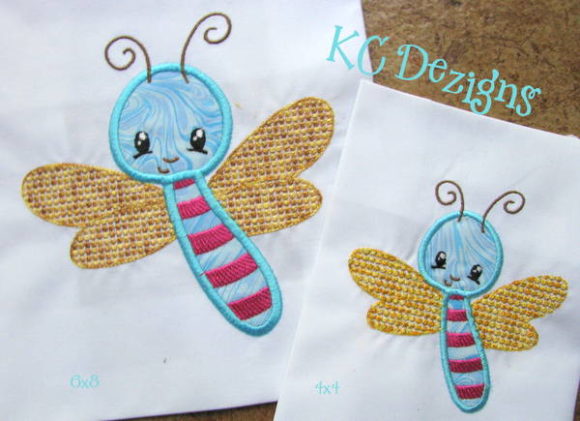
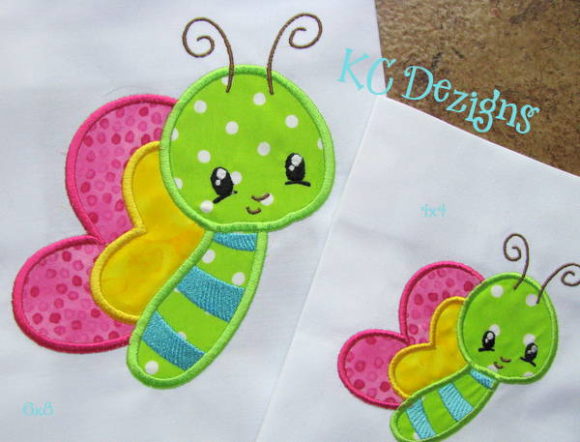
The Baby Bug Butterfly has a soft, approachable personality. It is not a hyper-realistic insect design. It leans into a cute, almost storybook aesthetic, which makes it a natural fit for baby items, nursery decor, and gentle-themed gifts. The shape is compact and rounded, with a butterfly silhouette that feels friendly rather than fussy. The wings are the focal point, and the body is kept simple, which helps the design read clearly at smaller sizes. The theme sits comfortably in the Bugs category, but it does not feel creepy or overly literal. It feels like a design meant to comfort, not challenge.
This embroidery design belongs on soft surfaces. I immediately thought of baby blankets, swaddles, crib quilts, and receiving blankets. It also works well on baby towels, bibs, and onesies. The mood is sweet without being saccharine, and that is a hard balance to strike in machine embroidery.
Real Case Scenario: Preparing a Custom Baby Gift Tote
I decided to test Baby Bug Butterfly on a canvas tote bag that I was preparing as a baby shower gift. The tote was a natural cotton blend, medium weight, with a slight texture. I wanted the design to feel like a boutique detail, not the main event. I used the 5x7 hoop size, which gave me enough room to let the butterfly breathe without overwhelming the bag. The stitch out was clean. The satin stitch around the wing edges gave the design a finished look, and the fill stitch in the body added just enough density to make the bug element read clearly.
I paired it with a soft pastel thread palette—mint green, pale yellow, and a light lavender. The thread colors worked well against the natural canvas. I used a cutaway stabilizer because the tote fabric had some give, and I did not want any distortion. The design stitched out without any skipped stitches or thread breaks. The digitizing felt balanced. The stitch density was not too heavy, which is important for a tote that will be used and washed. When I gifted the tote, the reaction was exactly what I hoped for. The recipient noticed the design immediately but did not feel overwhelmed by it. It felt like a thoughtful detail, not a loud statement. That is the kind of response that builds trust with customers if you are selling finished products.
Performance Across Real Embroidery Projects
I have tested Baby Bug Butterfly on several surfaces beyond the tote. On a cotton receiving blanket, the design read softly and blended well with the fabric. On a terry baby towel, I had to be careful with the stabilizer. Terry cloth can swallow details, but the design held up because the stitch density was moderate. I used a water-soluble topping to keep the stitches from sinking into the loops. The result was a crisp butterfly that looked like it belonged on a boutique baby product.
I also tested it on a sweatshirt. The fabric was a cotton-poly blend with some stretch. I used a medium-weight cutaway stabilizer and a ballpoint needle. The design stitched evenly, and the stretch did not cause any puckering. The sweatshirt was a light gray, and the thread colors I chose were a bit bolder—sky blue and soft coral. The design looked friendly and modern. It would work well for a small shop selling custom baby apparel or personalized gifts.
On a patch, the design performed well. I stitched it on twill fabric with a heavy tear-away stabilizer. The edges were clean, and the satin stitch covered the border neatly. This would be a good option for Etsy sellers who want to offer embroidered patches as a standalone product or as an add-on to a garment.
Where to Use This Design Carefully
No design is perfect for every surface, and Baby Bug Butterfly has a few limitations worth noting. The design is available in three hoop sizes: 4x4, 5x7, and 6x8. In the 4x4 size, the details are compressed. The wings lose some of their shape clarity, and the body becomes tighter. I would avoid using the 4x4 size on fabrics with heavy texture or on items that need to be read from a distance. It works best on small, flat surfaces like onesies, burp cloths, or quilt blocks.
On dark fabrics, the design needs careful thread color selection. The bug element can get lost if the thread colors are too dark or too similar to the fabric. I recommend testing the design in black and white mockups first to see how the contrast reads. Light pastel threads on dark fabric work well, but avoid very dark blues, blacks, or deep purples for the body of the bug.
Stretchy fabrics like ribbed knit or jersey require extra stabilizer. The design has moderate stitch density, which can cause tunneling on thin knits if not stabilized properly. I used a cutaway stabilizer and a slight tension adjustment on my machine. The result was good, but I would not recommend this embroidery design for very lightweight or sheer fabrics without testing first.
The design is not ideal for curved surfaces like caps or fitted hats. The shape is wide, and the wings extend outward, which can cause distortion on a curved surface. If you are planning to use it on a cap, I would recommend the 4x4 size and a firm stabilizer, but even then, the wings may not sit perfectly flat.
Visual Appeal, Product Value, and Customer Trust
The Baby Bug Butterfly has a clean, professional look that adds value to any handmade product. When I see a design that stitches out cleanly without thread breaks, misalignment, or density issues, I know it will hold up to customer expectations. This design does that. It feels like a reliable asset for a craft business. For Etsy sellers, this embroidery file works well as a digital product. It is simple enough to appeal to buyers who want a cute, quick project, but it has enough detail to feel like a quality asset.
If you are selling finished items, the design can be positioned as a premium detail on baby gifts, nursery decor, or personalized accessories. The theme is universal enough to work for both boys and girls, and it does not feel dated. Customer trust is built on consistency. When a design stitches out the same way every time, buyers notice. Baby Bug Butterfly has that kind of repeatability. I stitched it three times on different fabrics, and each time the alignment was consistent, the thread tension was stable, and the final look was professional.
Practical Designer Notes for Real Use
Before you use this design in a commercial embroidery project, here are a few things to check. Test the design on scrap fabric first. This is not optional. Even if the design looks good in the preview, fabric behavior changes everything. Check thread color contrast against your fabric. If the design has multiple thread colors, test them together to see how they interact.
- Review stitch density. The design has a moderate density, which is good for most fabrics, but if you are using a very thick or very thin fabric, adjust your stabilizer accordingly. Use a cutaway stabilizer for knits and stretch fabrics. Use a tear-away for wovens and stable fabrics. For towels or terry, use a water-soluble topping.
- Confirm the hoop size before you start. The design is available in 4x4, 5x7, and 6x8. If you are using the 4x4 size, be prepared for a tighter layout. The 5x7 is the sweet spot for most projects. The 6x8 gives you room to add text or other elements around the design.
- Check licensing terms. The product description indicates this design is for personal and small shop use, but you need to confirm whether you can use it for commercial embroidery, digital product sales, or finished goods. Do not assume. Always check the exact license before selling finished items or digital files.
- Inspect small details. Look at the wing edges and the body shape in a black and white mockup. This helps you see how the design will read on light and dark backgrounds. Compare thread colors on both fabric types to make sure the bug element stands out.
Final Thoughts on Baby Bug Butterfly for Your Craft Business
Baby Bug Butterfly is a well-balanced machine embroidery design that fits naturally into baby-themed projects, personalized gifts, and small shop merchandise. It has a friendly, approachable look that stitches out cleanly on most fabrics. It is not a bold, oversized statement piece. It is a subtle, thoughtful detail that adds warmth to a finished product. If you are a designer, Etsy seller, or small business owner looking for a reliable bug-themed embroidery design that feels gentle and professional, this is a solid choice. Test it on your fabric, choose your thread colors wisely, and use the right stabilizer. The design will reward you with a clean stitch out and a satisfied customer.