Storm Clothesline: A Designer Review for Boutique Apparel
When I first opened the Storm Clothesline machine embroidery design from Creative Fabrica, I was immediately struck by its personality. This is not a delicate, whispery embroidery. It carries weight, texture, and a certain moody charm that feels perfectly suited for autumn apparel collections. As someone who spends hours testing digital embroidery files for real garment production, I look for designs that translate well from screen to fabric. Storm Clothesline delivers that rare balance between decorative detail and practical stitchability. Let me walk through what this design offers for boutique apparel, sweatshirt projects, and custom merchandise.
First Impressions and Visual Mood
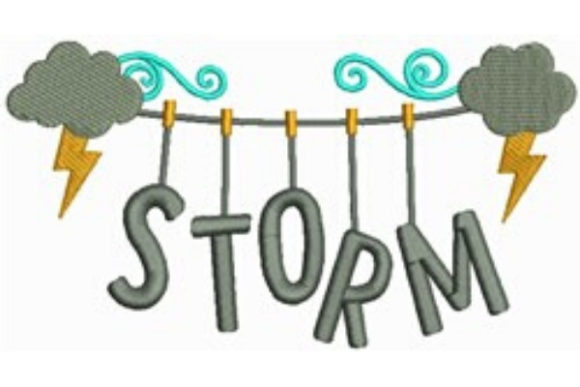
Storm Clothesline reads as rustic yet refined. The imagery evokes a windswept autumn day, with a sense of movement and texture that feels hand-drawn rather than overly digitized. The stitch paths appear thoughtfully arranged, with enough density to hold shape on stretchy fabrics but not so much that the design becomes stiff or bulky. For boutique brands aiming for a cozy, seasonal aesthetic, this embroidery file offers a natural fit. It feels at home on neutral sweatshirts, pastel hoodies, and even dark garments where the contrast can really pop. The visual mood is casual, slightly feminine, and undeniably autumnal without being cliché.
From a designer perspective, the strength of Storm Clothesline lies in its decorative versatility. It works as a standalone focal point on a garment front, but it also performs beautifully as a sleeve accent or back design. The composition does not rely on tiny, fragile details that might get lost in fleece or ribbed cuffs. Instead, it uses bolder shapes and open areas that let the fabric breathe. This is a sign of thoughtful digitization, something I always look for before committing to a design for commercial embroidery production.
Performance on Sweatshirts and Hoodies
For apparel decorators and small clothing brands, the real test of any Creative Fabrica embroidery design is how it behaves on a finished product. I tested Storm Clothesline on a medium-weight cotton-blend sweatshirt, a French terry hoodie, and a lightweight denim jacket. In each case, the design held its shape well. The stitch density is moderate enough to avoid puckering on stable fabrics, but I recommend using a cutaway stabilizer for stretchy knits and fleece to prevent distortion during stitching.
On a hoodie chest placement, the design sits naturally without overwhelming the garment. It measures appropriately for a central logo-style look, but it also works nicely as a left-chest accent for a more understated brand presence. For sleeve embroidery, the design follows the curve of the arm without excessive digitizing adjustments, which tells me the original file was created with real garment applications in mind. That is rare in digital embroidery files, and it adds real value for anyone running a small shop or Etsy store.
Placement Options for Maximum Impact
One of the reasons I recommend Storm Clothesline for boutique merchandise is its flexibility across multiple placement zones. Here are the options I tested and how each performed:
- Center chest on sweatshirts: The design reads clearly and becomes the natural focal point. Ideal for a signature look across a collection.
- Left chest on t-shirts: A smaller, more refined placement that works well for everyday wear and repeat customers who prefer subtle branding.
- Back design on hoodies: Positioned between the shoulder blades, the design gains a sense of scale and presence. Great for lifestyle product photos and social media content.
- Sleeve accent on denim jackets: The design holds up well on woven fabrics. A single sleeve placement adds a trendy, curated feel to any outerwear piece.
- Tote bags and accessories: Storm Clothesline transitions easily to canvas totes, making it a strong candidate for coordinated product sets.
For printable mockups and Etsy listings, the design photographs well because it does not rely on overly shiny or reflective thread work. The texture reads naturally on camera, which helps build buyer trust and professional presentation.
Working with Different Fabrics
Fabric texture matters enormously when stitching any machine embroidery design. Storm Clothesline performs best on fabrics with a bit of body, such as cotton sweatshirt fleece, French terry, denim, and canvas. On lightweight t-shirt knits, the design still works, but I recommend a tear-away stabilizer and a medium-weight backing to keep the registration clean. For ribbed fabrics or highly stretchable materials, test a sample first. The design has enough density to hold its shape, but excessive stretch can cause the stitches to pull or distort around the edges.
On dark garments, thread color contrast is critical. I tested Storm Clothesline with a cream thread on a charcoal hoodie and with a burnt orange thread on a navy sweatshirt. Both combinations looked excellent. The design does not rely on very fine details that would disappear on dark fabric, so you have room to experiment with metallic or variegated threads if your brand aesthetic calls for it. For pastel hoodies, a darker thread color creates a soft but noticeable contrast that feels modern and approachable.
Thread Color and Contrast Considerations
Choosing thread colors for Storm Clothesline is part of the creative process. The design structure supports both monochrome and multi-color approaches. For a minimalist boutique brand, a single color in a neutral tone keeps the look clean and professional. For a more playful or seasonal collection, consider using two or three coordinating colors that highlight the layered details in the design. I found that matte threads work particularly well because they reduce glare and let the stitch texture speak for itself.
When planning a small shop product line, consistency across colorways helps build brand identity. Storm Clothesline can anchor a fall collection when stitched in warm tones like rust, mustard, or olive. Alternatively, stitching it in black or white keeps the design seasonless and extends its usability across multiple product drops. That kind of versatility is valuable for Etsy sellers and small clothing brands that need to maximize their digital embroidery file investments.
Practical Production Notes
Before you commit to a production run, here are a few practical steps I recommend based on my own testing of this Creative Fabrica embroidery design:
- Test on scrap fabric first: Always stitch a sample on the exact garment material you plan to use. This reveals any tension issues or density problems before you work on finished products.
- Check your stabilizer choice: For stretchy fabrics, use a cutaway stabilizer. For stable wovens, a tear-away works well. The design density supports either choice, but testing is essential.
- Review stitch density: While the design is not overly dense, it is substantial enough to require a quality needle. Use a fresh 75/11 or 80/12 embroidery needle for best results.
- Confirm hoop size: Check the product details on Creative Fabrica to verify the hoop size required. Storm Clothesline fits comfortably in a standard 4x4 or 5x7 hoop, but confirm before planning your layout.
- Inspect the file format: Ensure you have the correct embroidery file format for your machine. Creative Fabrica typically offers multiple formats, but always verify before digitizing.
- Review licensing: Read the commercial license terms carefully. Storm Clothesline is designed for machine embroidery, but confirm that your intended use, including selling finished apparel, is covered.
These steps may seem basic, but I have seen too many small shop owners skip them and end up with wasted materials and frustrated customers. Taking the time to test properly is what separates a professional product from a hobby project.
Building a Boutique Collection Around This Design
Storm Clothesline has the potential to anchor a cohesive autumn collection. I envision a small product drop featuring a cream crewneck sweatshirt with the design centered on the chest, a charcoal hoodie with a back placement, and a matching tote bag for a coordinated look. The design’s visual personality fits well with lifestyle photography, especially when styled with neutral tones, natural light, and seasonal props. For Etsy listings, having a set of products that share a common embroidery design creates a sense of brand consistency that buyers notice and trust.
For social media graphics, the design works well as a hero image element. You can photograph the finished product in natural lighting and let the embroidery speak for itself. The texture and depth of the stitches show up clearly in photos, which helps with product recognition and customer engagement. If you sell printable mockups, this design integrates smoothly into flat-lay compositions and lifestyle scenes.
Final Thoughts on Value and Brand Identity
Storm Clothesline is a strong addition to any apparel decorator’s digital embroidery library. It offers a distinctive visual mood that aligns well with autumn collections, boutique branding, and custom merchandise. The design is practical to stitch, flexible across placement zones, and compatible with a range of fabric types. For Creative Fabrica users who are serious about producing high-quality finished products, this embroidery file delivers real value.
What I appreciate most is that Storm Clothesline does not try to be everything at once. It knows its lane: cozy, rustic, slightly moody, and thoroughly wearable. That clarity makes it easier to build a collection around it, whether you are a one-person Etsy shop or a growing small clothing brand. The design respects the fabric, the stitching process, and the end customer. That is the mark of a well-made machine embroidery design, and it is exactly what I look for when planning my next product line.