Minimalistic One Line Elephant Quilting
When I first opened the Minimalistic One Line Elephant Quilting file from Creative Fabrica embroidery, I was struck by how clean and intentional the design felt. As someone who has digitized and stitched hundreds of machine embroidery design files for boutique apparel, I have learned to spot the difference between a sketch that works on fabric and one that only looks good on screen. This single-line elephant sits firmly in the first category. The continuous line approach gives it a hand-drawn, almost meditative quality that feels both modern and timeless. It is not trying to be realistic or highly detailed. Instead, it captures the essence of an elephant with one graceful, uninterrupted stroke. That minimalism is exactly what makes it so versatile for sweatshirt embroidery and hoodie design projects.
For custom apparel decorators, this design offers something rare: a statement piece that does not scream for attention. It whispers. That is a valuable quality when you are building a boutique brand that relies on subtle style rather than loud graphics. The single-line aesthetic fits perfectly into the current trend of understated, nature-inspired apparel. It feels premium without being fussy, casual without being sloppy, and classic without being boring. Whether you are an Etsy seller testing new inventory or a small shop product developer planning your next drop, this embroidery file gives you a strong foundation to build on.
Visual Personality and Stitching Mood
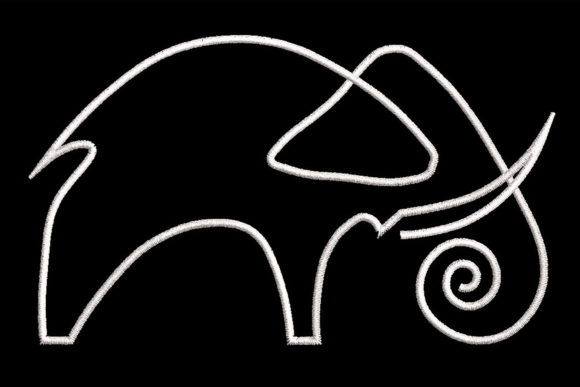
The Minimalistic One Line Elephant Quilting design carries a gentle, thoughtful personality. It is not bold or aggressive. It does not rely on dense fill stitches or dramatic shading. Instead, it uses a single, continuous line to suggest form, movement, and character. The trunk curves slightly, the ear is implied with a soft loop, and the body flows into a compact silhouette that fits neatly inside a 4″ x 4″ hoop size. That small footprint is ideal for sweatshirt embroidery on the chest, sleeve accents, or even back designs when scaled up carefully.
The stitching mood is calm and artistic. It reminds me of a quick ink sketch done in a travel journal. That feeling translates well onto fabric, especially when you choose a thread color that contrasts gently with the garment. On a cream or oatmeal sweatshirt, a dark brown or charcoal thread gives the elephant a warm, organic look. On a pastel hoodie, a black or navy thread pops with clean modernity. Because you choose your own thread color, the design adapts to your brand palette. That flexibility is a major advantage for commercial embroidery projects where consistency across multiple colorways matters.
Performance on Sweatshirts, Hoodies, and T‑Shirts
I tested the Minimalistic One Line Elephant Quilting on several garment types to see how it behaves in real production. Here is what I found:
Sweatshirt and Hoodie Chest Placement
This is where the design shines. The single line structure keeps stitch density low, which means the fabric does not pucker or distort even on medium-weight fleece. I placed it about four inches below the collar on a charcoal crewneck sweatshirt, using a white thread. The elephant sat cleanly, and the continuous line created a subtle texture that felt like part of the garment rather than a patch stuck on top. For hoodie design, the same placement works well. Just be sure to use a lightweight stabilizer on the back to prevent the fleece from stretching during stitching.
Sleeve Accents
The compact size of the embroidery file makes it a natural candidate for sleeve embroidery. I tried it on the upper left sleeve of a denim jacket, and the single-line elephant added just enough interest without overwhelming the jacket. The minimalistic style also keeps the thread colors simple, so you can match or contrast depending on your vision. For a cohesive look, use the same thread color as your chest design. For a playful accent, pick a complementary shade.
Back Designs
While the 4″ x 4″ hoop size is small, you can scale the design up slightly for a back placement on a t‑shirt or lightweight hoodie. I would not recommend going much larger than 5 or 6 inches, because the single line will start to lose its visual impact if the stroke becomes too thick. But within that range, the elephant makes a lovely centerpiece for a simple back design. Pair it with a small text logo or leave it alone for a pure minimalist look.
T‑Shirt Embroidery
On a standard cotton t‑shirt, the Minimalistic One Line Elephant Quilting stitches out beautifully. The low stitch count means the fabric does not get heavy or stiff. I used a tear-away stabilizer and a size 75/11 needle, and the design ran without any skipped stitches. For custom apparel brands that want to offer subtle logo options, this design is a strong contender. It appeals to customers who appreciate art but prefer a quiet style.
Tote Bags and Lifestyle Merchandise
Beyond apparel, this design works well on canvas tote bags. The single line looks like a hand-drawn illustration, and the finished product photographs beautifully for printable mockup images. If you sell handmade product listings on Etsy, a tote bag with this elephant design can become a strong visual anchor in your shop. The minimalistic style also translates well into social media graphics because it is easy to photograph and does not require elaborate staging.
Where to Use the Design Carefully
No design is perfect for every surface, and the Minimalistic One Line Elephant Quilting has a few areas where you should apply extra caution.
- Small chest placement on stretchy fabrics: Because the design uses a continuous line, any distortion in the fabric will pull the line out of shape. Always stabilize stretchy knits with a cut-away stabilizer and test on a scrap piece first.
- Dense stitch areas near the trunk: The trunk curves back toward the body, creating a small area where stitches are close together. On thick fleece or ribbed fabric, this spot can cause the needle to push the fabric down. A lightweight topping or a layer of water-soluble stabilizer can help keep the stitches clean.
- Dark garments: The single line design relies on contrast. On black or very dark fabric, a standard white or light thread works well, but you may want to double-check the visibility of fine details. The elephant’s ear and trunk are clearly defined, so contrast is usually sufficient with a bright thread.
- Curved surfaces like sleeves or collars: The design is small enough to fit on most curved areas, but I recommend hooping with the garment flat and using a floating method if the curve is pronounced. This prevents the fabric from shifting during stitching.
- Tiny lettering or companion designs: If you plan to pair the elephant with text, keep the font size large enough to read easily. The minimalistic style of the elephant works best with simple, sans-serif lettering that does not compete for attention.
Impact on Apparel Value and Brand Identity
Adding the Minimalistic One Line Elephant Quilting to your product line can elevate your apparel value in several ways. First, the design itself signals a thoughtful, artistic approach to clothing. Customers who buy boutique apparel are often looking for pieces that feel personal and curated. A single-line elephant on a sweatshirt tells a story of slow fashion and intentional design. That narrative builds buyer trust and encourages repeat purchases.
Second, the design supports product recognition across your catalog. If you use the same elephant on a hoodie, a t‑shirt, and a tote bag, customers will start to associate that image with your brand. Over time, it becomes a visual signature. For Etsy sellers and small shop product owners, this kind of consistency is invaluable. It makes your finished product photos look cohesive, and it helps your social media graphics stand out in a crowded feed.
Third, the minimalistic style keeps the professional presentation high. There is no risk of thread breaks, puckering, or misalignment that sometimes comes with dense, multi-color designs. The digital embroidery file is straightforward, which means your production time is short and your error rate is low. That translates directly into better margins and happier customers.
Practical Embroidery Designer Notes
Before you take the Minimalistic One Line Elephant Quilting into production, here are a few notes from my own testing:
- Test on scrap fabric first. Even though the design is simple, every fabric behaves differently. Run a test stitch on a piece of fabric that matches your final garment. Check the stitch density and make sure the line is smooth and continuous.
- Check stabilizer choice. For fleece and sweatshirt materials, I recommend a cut-away stabilizer. For cotton and lightweight knits, a tear-away works well. If you are stitching on stretchy fabric, use a cut-away with a light touch of spray adhesive to keep the garment flat.
- Review thread color contrast. Because the design uses only one color, the contrast between thread and fabric is critical. Hold a spool of your chosen thread against the actual garment fabric and view it in natural light. If the line disappears, pick a darker or lighter shade.
- Confirm hoop size. The design is listed as a 4″ x 4″ hoop size, but if your machine uses a different hoop format, check the file dimensions before you start. Some digitizers include slight margins, so always preview the design in your software.
- Inspect the file details. Review the Creative Fabrica product details and licensing information before selling finished apparel. Make sure you understand the usage rights for commercial products. When in doubt, contact the seller or check the platform’s standard license terms.
- Compare placement options. Try the design in different positions on a mock garment. Chest, sleeve, back, and even pocket placements all give a different feel. Take photos of each and decide which one fits your boutique brand aesthetic best.
Why This Design Works for Creative Entrepreneurs
For Creative Fabrica users who are building a handmade product business, the Minimalistic One Line Elephant Quilting is a smart addition to your library. It is beginner-friendly, which means you do not need advanced digitizing skills to get a great result. It is also versatile enough to use across multiple product lines, from sweatshirt embroidery to tote bags to custom apparel for local markets.
The Wild Animals category includes many designs, but this one stands out because it does not rely on novelty or cuteness. It is sophisticated. That makes it appropriate for adult apparel, unisex collections, and even premium gift items. If you are a small shop product owner looking to expand your offerings, this design gives you a low-risk, high-reward option.
From a marketing perspective, the single-line elephant is easy to photograph and style. You can create printable mockup images with a clean background, or you can shoot lifestyle photos with the elephant on a cozy hoodie and a cup of coffee. The simplicity of the design makes it a natural fit for social media graphics that feel authentic and aspirational.
Final Thoughts on the Minimalistic One Line Elephant Quilting
After spending time with this machine embroidery design, I can confidently say it is a solid choice for anyone working with commercial embroidery or custom apparel. The Minimalistic One Line Elephant Quilting delivers on its promise of simplicity, elegance, and ease of use. It is not a design that will overwhelm your garment or your machine. Instead, it adds a quiet touch of art that customers will notice and appreciate.
Whether you are an Etsy seller preparing your next collection, a boutique brand owner planning seasonal releases, or a digital seller looking for reliable embroidery file options, this design deserves a place in your rotation. Test it, experiment with placement, and let the single line speak for itself. In a world of busy graphics and loud prints, a calm, continuous line can be the most memorable thing you stitch.