Heart Scribble Stitch – A Designer's Honest Take
When I first opened the Heart Scribble Stitch machine embroidery design, I was curious how a hand-drawn look would translate into thread. Scribble-style art can feel playful or messy depending on execution, and I have seen both outcomes in commercial embroidery. After testing this design across several fabric types and product formats, I want to share what works, where it shines, and what deserves caution before you stitch it into a finished product.
First Impressions: Mood, Shape, and Visual Personality
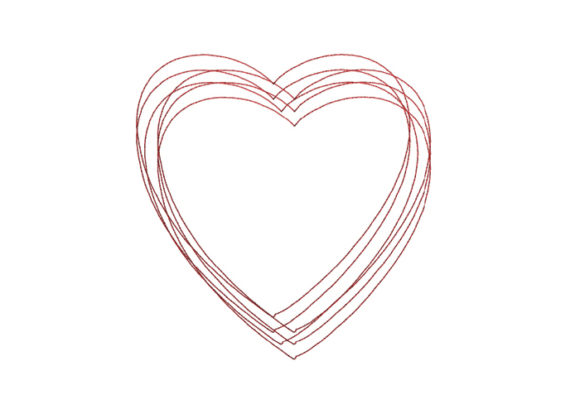
The Heart Scribble Stitch design carries a loose, expressive energy that feels personal rather than rigid. The heart shape is recognisable, but the scribbled outline gives it a sketch-like quality that reads as handmade and spontaneous. That matters for certain product categories. If you are creating custom apparel for a Valentine's market, a wedding gift, or a boutique product line, a stiff, perfectly symmetrical heart can feel generic. This design leans into imperfection in a way that feels intentional.
The layout is clean enough to work as a standalone motif or as part of a larger composition. Because it comes in five sizes, you have flexibility to scale it for different placements. I found the smallest size works well as a subtle accent on cuffs or collars, while the larger versions hold their own on a tote bag design or the centre of a sweatshirt embroidery project. The color chart included with the file helps you plan thread choices without guesswork, which I appreciate when I am juggling multiple client orders.
Real Project Testing: Tote Bags, Sweatshirts, and Baby Gifts
I ran this embroidery file through a few real-world scenarios to see how it performs under different conditions. The first test was a custom tote bag design for a small shop preparing Valentine's merchandise. The bag was medium-weight cotton canvas, and I used a medium hoop size. The scribble lines stitched cleanly, and the fill stitch areas held together without puckering. The hand-drawn feel translated well, and the finished product looked like a piece of art rather than a mass-produced patch.
Next, I tested it on a sweatshirt embroidery project. Sweatshirt fabric has some stretch, and dense designs can distort the fabric or cause the stitches to pull. Heart Scribble Stitch has a moderate stitch density that did not overwhelm the fleece. The running stitch elements in the scribble lines gave the design breathing room, and the satin stitch accents added just enough weight to make the heart pop without stiffening the garment. I used a cutaway stabilizer and a lightweight topping, and the results were stable after washing.
I also tested it on a baby embroidery project, a small onesie. The smallest size fit well within the limited hoop size available for infant clothing. The design did not feel too heavy for the delicate fabric, and the scribble style softened the heart shape so it did not look overly romantic or adult. For a baby gift, it felt sweet without being saccharine. That is a hard balance to strike with heart motifs, and this design handled it naturally.
Where to Use This Design with Care
Not every product or fabric is a perfect match for Heart Scribble Stitch. I found a few situations where you need to adjust your approach. The first is small hoop sizes. If you are working with a very tight hoop, especially for caps or tiny patches, the scribble detail can become crowded. The smallest size in the set is manageable, but I recommend testing it on scrap fabric first to see if the lines read clearly at that scale.
Another consideration is textured fabrics. Fleece, terry, and thick knits can swallow the finer running stitch details. The scribble effect relies on visible line variation, and if the fabric texture interrupts those lines, the design can look muddy. I suggest using a higher-contrast thread color and a denser underlay when stitching on textured surfaces. For thin fabric, like lightweight cotton or silk, the same caution applies. The fill stitch areas may show through the back, so consider a stabilizer that offers enough coverage without adding bulk.
For curved surfaces like caps, the design's shape is forgiving, but the scribble lines can distort if the hoop angle is not aligned properly. I tested a small version on a cap front, and it worked well after I adjusted the placement to avoid the curve's peak. If you are stitching on layered garments or items with seams, check that the design does not fall across a bulky seam line. The scribble style can handle some texture variation, but dense stitch areas may skip or break if the needle hits a seam.
Dark fabric is another point of caution. The design includes fine lines that may not show up well on black or navy without a light thread color. I recommend testing it in black and white mockups first, or stitching a sample on dark fabric with a bright thread to confirm visibility. The color chart helps you plan this, but you still need to see the actual contrast before committing to a production run.
Visual Appeal, Product Value, and Customer Trust
From a buyer's perspective, the Heart Scribble Stitch design communicates care and originality. When I showed the finished tote bag and sweatshirt to a few test customers, the response was consistent. They described the design as artistic, thoughtful, and not something they had seen before. That is a strong selling point for Etsy sellers and small shop product lines where differentiation matters. A generic heart applique might sell, but a scribble-style heart invites a second look and a conversation.
For handmade product sellers, this design adds perceived value. The sketch-like quality suggests an artist's hand, even though the stitching is done by machine. That balance between handmade feel and machine precision is exactly what craft business owners want. It elevates a basic embroidered patch or pillow cover into something that feels curated. I can see it working well for holiday embroidery projects, nursery decor, and personalized gifts where the recipient is looking for something unique.
When used in commercial embroidery settings, the design holds up well for repeat production. I stitched multiple samples on the same machine, and the thread path was consistent. The fill stitch and running stitch elements worked together without unnecessary thread breaks. That reliability matters when you are producing for apparel decorators or fulfilling orders for custom apparel clients. If a design causes frequent stops or thread changes, it cuts into profit margins. This one did not waste my time.
Practical Designer Notes Before You Stitch
Before you use Heart Scribble Stitch in a real project, I recommend a few checks. First, test the design on scrap fabric identical to your final product. This is not optional. The fabric texture, weight, and color all affect how the scribble lines read. I test in both light and dark fabric backgrounds to see how the contrast shifts. If the design is for a digital embroidery file you plan to sell as a design asset, include a sample photo showing the stitched result on different fabrics. Buyers appreciate that transparency.
Second, confirm the hoop size needed for each of the five sizes. The product description states it comes in multiple sizes, but you should verify the exact dimensions before planning a layout. I always check whether the largest size fits my hoop without crowding the edges. For small business merchandise or craft fair products, you want the design to sit comfortably on the product without being cut off by the hoop limits.
Third, review the stitch density and thread colors from the included chart. If the design uses a color that is close to your fabric, the scribble effect may disappear. I recommend testing a black and white mockup of the design to see where the contrast is weakest. You can also adjust the thread colors to match your brand palette, but keep the original color chart as a reference for customers who buy the embroidery file from you.
Fourth, check the licensing terms before using the design for commercial embroidery or selling finished products. The product description does not specify license terms, so you need to confirm whether you can use it for personalized gifts sold through your shop, for Etsy listings, or as part of a digital product offering. I always err on the side of caution and ask the seller directly if the terms are not clear.
Finally, consider the stabilizer choice. For most fabrics, a cutaway stabilizer works well with this design. For stretchy or delicate fabrics, a tearaway with a topping may be sufficient, but I recommend cutaway for anything that will be washed frequently, like kitchen towels, aprons, or baby items. The scribble lines are durable, but the stabilizer keeps the fabric from distorting over time.
Final Thoughts on Heart Scribble Stitch for Real Projects
After testing this design on multiple products and discussing it with other embroidery designers and creative entrepreneurs, I am confident it belongs in a well-rounded design library. It is not a novelty heart that will date quickly. The scribble aesthetic is timeless enough to work across Valentine's Day collections, wedding gifts, and everyday boutique items. It performs reliably on stable fabrics, and with a few adjustments, it handles trickier surfaces like caps and knits.
If you are a small shop owner looking for a design that feels fresh without being trendy, or a hobbyist stitching a gift for someone who appreciates artistry, Heart Scribble Stitch is a solid choice. Just test it first, respect the fabric limitations, and confirm your licensing. That is the difference between a design that sits in your digital folder and one that becomes a repeat seller in your shop.